
If food is part of how we support our health, what does the newest science actually tell us?
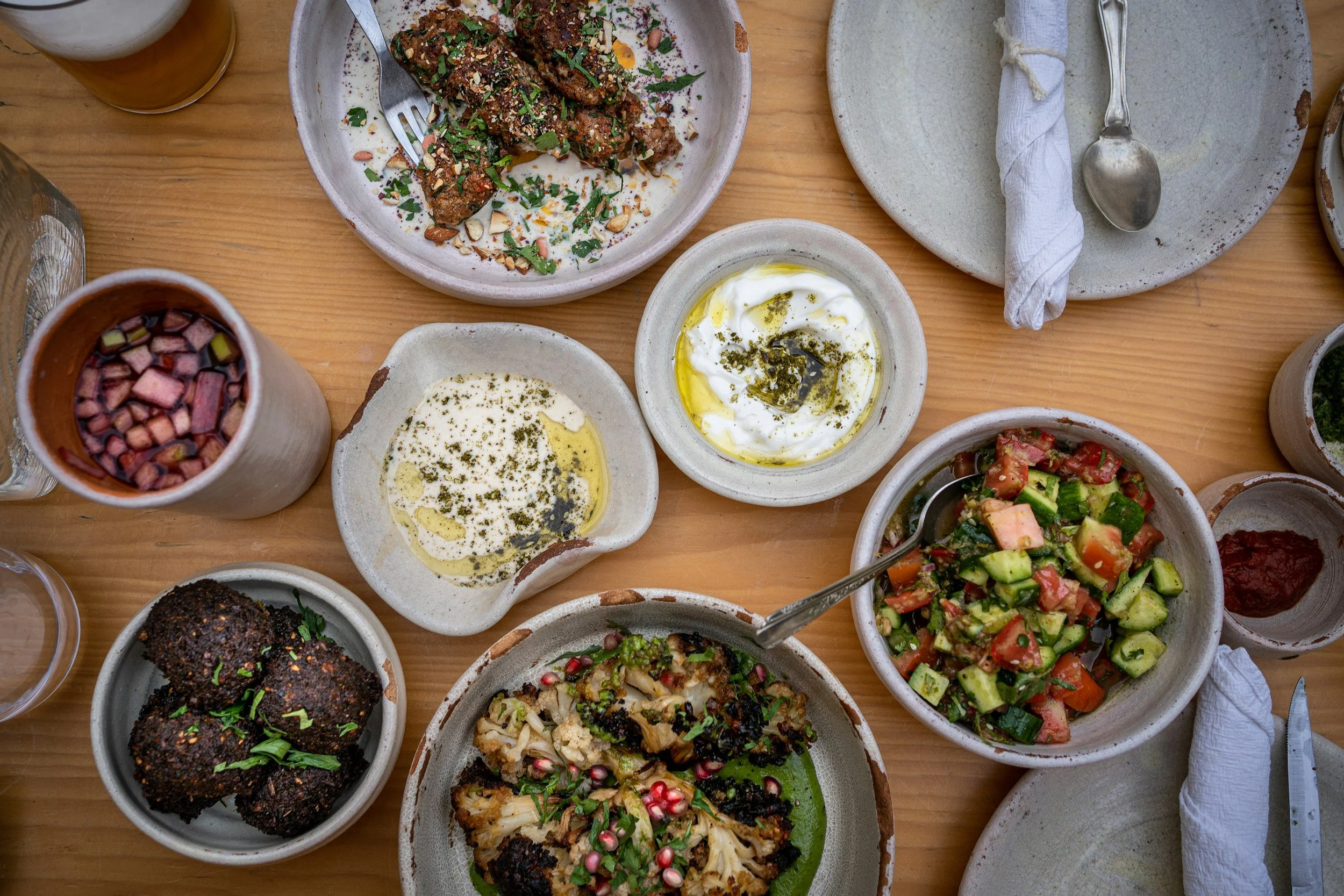
Few topics generate more questions in the Parkinson's community than food. Should I change how I eat? Does food quality matter? Is there a "Parkinson's diet"? Among the many eating patterns people ask about, the Mediterranean diet comes up often, with its emphasis on vegetables, fruits, legumes, whole grains, nuts, olive oil, and fish.
But the conversation around nutrition goes beyond following a particular diet. It also raises questions about food processing, environmental exposures, inflammation, gut health, and the long-term effects of what we consume.
Research published in 2026 offers a more nuanced picture than headlines sometimes suggest, and that nuance is worth understanding.
A Large Study Brings a Reality Check
This year, researchers analyzing two large U.S. cohorts examined whether eight healthy eating patterns, including the Mediterranean diet, a plant-based diet index, and the DASH diet, were associated with the risk of developing Parkinson's.
The study followed more than 116,000 participants over periods extending up to 32 years and identified 1,179 Parkinson's cases. Researchers found no statistically significant association between adherence to any of the eight dietary patterns and Parkinson's risk.¹
That finding deserves attention, but so do its limitations.
The study examined whether overall dietary patterns predicted who developed Parkinson's. It did not establish that nutrition has no role in neurological health, nor did it investigate whether dietary changes could improve symptoms or quality of life after diagnosis.
Like other observational nutrition studies, it also relied on participants reporting what they ate, which introduces uncertainty about dietary exposures over time.
These findings challenge some assumptions about diet and Parkinson's prevention. They do not settle every question about food quality, environmental exposures, or the relationship between nutrition and neurological health.
Signals Among People Living With Parkinson's
Other 2026 research points toward possible benefits for people already living with the condition.
A study conducted in Lithuania examined dietary habits and Mediterranean diet adherence among 59 people with Parkinson's and 54 individuals without the disease. Researchers found that greater adherence was associated with lower odds of several non-motor symptoms, including constipation, anxiety, pain, and urinary dysfunction.²
The same study found that Mediterranean diet adherence was generally low among participants, highlighting a practical challenge: knowing what a healthy eating pattern looks like and being able to follow it consistently are two different things.
Because this was a small observational study, it cannot establish that the diet caused improvements in symptoms. Other differences in health, lifestyle, and socioeconomic circumstances may have influenced the results.
Still, the findings reinforce an important distinction. Research examining whether diet prevents Parkinson's asks a different question from research examining how nutrition may relate to daily life after diagnosis.
Clinical Trials Are Now Testing the Question Directly
More useful answers may come from randomized clinical trials designed to evaluate dietary interventions in people already living with Parkinson's.
In Italy, the MED-PARK trial is investigating the effects of a modified Mediterranean diet over six months, comparing participants following the intervention with those continuing their usual eating patterns.³
In Northern Ireland, the MediPD pilot is examining an online Mediterranean diet self-management program designed specifically for people living with Parkinson's.⁴
These studies represent an important step toward understanding whether structured dietary changes can produce measurable benefits for symptoms, nutritional health, or quality of life.
They may also help researchers understand what it takes to make nutritional changes realistic and sustainable for people managing a chronic neurological condition.
Food Quality, Processing, and Environmental Exposure
The conversation about nutrition and Parkinson's should extend beyond individual diets to consider the quality of the foods we consume and the exposures that may come with them.
Mediterranean-style eating emphasizes minimally processed foods, including vegetables, fruits, legumes, whole grains, nuts, and olive oil. These foods provide fiber, vitamins, minerals, and other compounds that contribute to overall health.
Researchers are also investigating how nutrition interacts with inflammation, oxidative stress, metabolic health, and the gut microbiome. These biological processes are of particular interest in Parkinson's research, although understanding their role does not mean that changing a diet has been proven to alter the course of the disease.
Ultraprocessed foods raise additional questions. Many are formulated with refined ingredients, added sugars, sodium, fats, and additives, and higher consumption has been associated with a range of adverse health outcomes. Emerging observational research is also examining potential relationships between ultraprocessed food consumption and Parkinson's-related outcomes.⁵
However, processing alone does not determine whether a food is harmful. Frozen vegetables, canned beans, and other convenient foods can still be nutritious. The composition of a food and the overall dietary pattern matter more than a simple processed-versus-unprocessed label.
Environmental exposures deserve attention as well. Certain pesticides have been associated with increased Parkinson's risk in occupational and environmental research. That makes questions about agricultural practices, residues, and long-term exposure relevant to discussions of neurological health.⁶
But exposure through food is not equivalent to the higher exposures examined in many occupational studies, and current research does not establish that choosing organic foods prevents Parkinson's.
For individuals and families who want to reduce potentially harmful exposures, choosing a varied diet, washing produce, and considering food sources when practical are reasonable steps. The goal should be informed decisions based on evidence, not fear surrounding individual ingredients or foods.
Why Whole-Food Eating Still Makes Sense
Even without definitive evidence that a Mediterranean diet prevents or slows Parkinson's, there are well-established reasons to prioritize nutritious, minimally processed foods.
A varied diet rich in vegetables, fruits, legumes, whole grains, healthy fats, and adequate protein can support cardiovascular and metabolic health, digestive function, and overall nutritional status.
Fiber and adequate fluid intake may be particularly helpful for constipation, which is common among people with Parkinson's. Maintaining sufficient calories and protein also matters, especially for individuals experiencing unintended weight loss, fatigue, or changes in appetite.
Food is more than a collection of nutrients. Enjoyment, family routines, cultural traditions, and the practical ability to prepare meals all influence whether an eating pattern is sustainable.
The most useful approach is often one that supports long-term health without creating unnecessary restrictions or additional stress.
Important Cautions
Diet changes are not risk-free, particularly for people managing Parkinson's symptoms and medications.
Protein can interfere with the absorption of levodopa in some individuals, making meal timing important for certain treatment regimens. That does not mean people should eliminate protein, which remains essential for maintaining muscle and overall health.
Swallowing difficulties, constipation, unintended weight loss, and nutritional deficiencies may also require individualized attention.
Restrictive diets, expensive supplements, and major changes to eating patterns should be approached carefully, particularly when evidence of Parkinson's-specific benefits is limited.
No dietary pattern has been conclusively shown to cure, slow, or reverse Parkinson's disease. A registered dietitian familiar with Parkinson's can help individuals make appropriate changes while maintaining adequate nutrition.
What This Means for Patients
Nutrition is an area where people can make meaningful choices in their everyday lives, even while researchers continue investigating its relationship with Parkinson's.
Start with practical changes. Add more vegetables and fiber-rich foods, choose minimally processed ingredients when possible, use healthy fats such as olive oil, and pay attention to how different meals affect digestion, energy, and overall well-being.
Consider food quality and sources without feeling pressured to follow an expensive or overly restrictive diet.
For people living with Parkinson's, nutritional choices should also account for symptoms, medications, physical abilities, and the realities of daily life.
Food does not need to be viewed as a cure to deserve a meaningful place in a thoughtful, whole-person approach to health.
The TPPF Perspective
At The Parkinson's Project Foundation, we believe nutrition deserves far more attention in conversations about Parkinson's, including the quality of the food we eat and the potential impact of what we're exposed to over a lifetime.
Food is one of the ways we interact with our environment every day. What we eat can influence metabolic health, inflammation, digestion, and the gut microbiome, all areas of growing interest in neurological research. Questions about ultraprocessed foods, pesticide exposure, and other potential dietary risks deserve thoughtful scientific investigation rather than dismissal or oversimplification.
We also believe it's important to distinguish what research has established from what remains uncertain. A healthy dietary pattern has not been proven to prevent or slow Parkinson's, and not every processed food or environmental exposure carries the same risk. But those limitations shouldn't discourage us from examining how nutrition and environmental health may contribute to long-term well-being.
For people already living with Parkinson's, nutrition is also practical. Maintaining adequate nourishment, supporting digestive health, and making sustainable food choices can be meaningful parts of everyday care.
Our goal is to encourage informed decisions, greater awareness of potentially harmful exposures, and continued research into the relationship between food, environment, and neurological health. People deserve the information and resources to make choices that support their health without being overwhelmed by fear or unrealistic expectations.
References
Chen X, et al. "Healthy Dietary Patterns and Risk of Parkinson's Disease." Movement Disorders. 2026;41(9):2338–2348. https://pubmed.ncbi.nlm.nih.gov/42237654/
Guk J, et al. "Dietary habits and adherence to the Mediterranean diet in a cohort of Parkinson's disease patients in Lithuania." Frontiers in Nutrition. 2026;13:1773331. https://pubmed.ncbi.nlm.nih.gov/41878573/
"Modified Mediterranean diet effects on Parkinson's disease (MED-PARK): a single-centre randomised controlled trial protocol." https://pmc.ncbi.nlm.nih.gov/articles/PMC12506048/
ClinicalTrials.gov. "MediPD: An Online Mediterranean Diet Program for People Living With Parkinson's Disease." NCT07838675. https://clinicaltrials.gov/study/NCT07838675
Research on ultraprocessed food consumption and Parkinson's-related outcomes. [Insert a verified primary study specifically supporting the Parkinson's association before publication.]
National Institute of Environmental Health Sciences. "Parkinson's Disease." Environmental risk factors, including pesticide exposure. https://www.niehs.nih.gov/health/topics/conditions/parkinson
Note: This article is intended for educational purposes only and does not constitute medical or nutritional advice. Dietary changes can interact with Parkinson's medications and other health conditions. Research into food processing, environmental exposures, and neurological health is ongoing. Consult a qualified healthcare professional or registered dietitian before making significant changes to your diet.
