

Resources & Support
Explore our expanding resource center where we unveil cutting-edge plant-based and psychedelic treatments for Parkinson's disease. Our curated collection of innovative therapies aims to revolutionize the management of Parkinson's, offering potential alternatives that harness the power of nature and pioneering research.
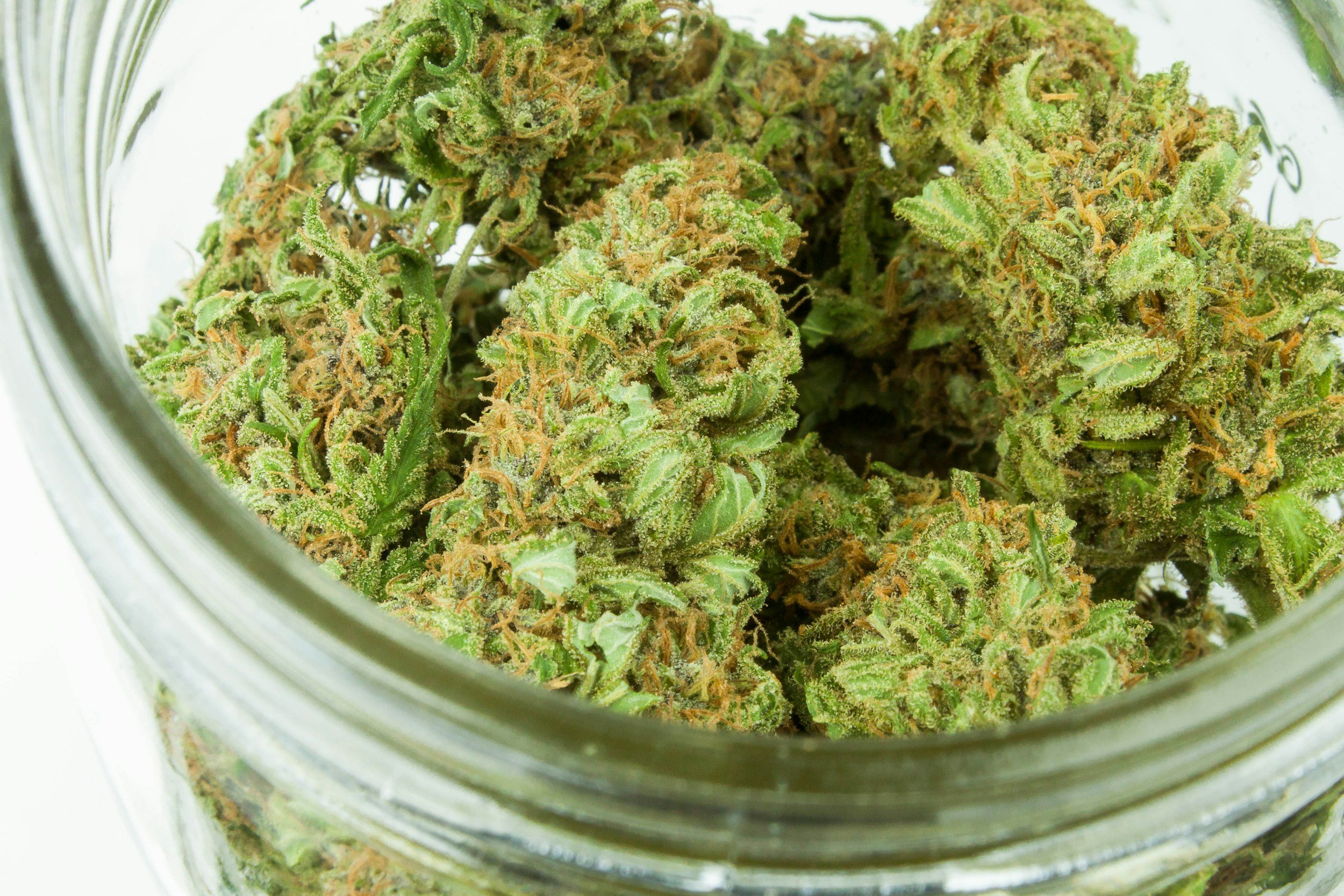
Why Parkinson's Patients Are Asking Bigger Questions About Cannabis
Few topics generate as much curiosity within the Parkinson’s community today as cannabis.
For many individuals living with Parkinson's disease, interest in cannabis extends beyond any single symptom. People are often looking for ways to improve sleep, reduce discomfort, manage stress, support daily function, and improve overall quality of life. While experiences vary widely from person to person, these questions continue to drive interest from both patients and researchers.
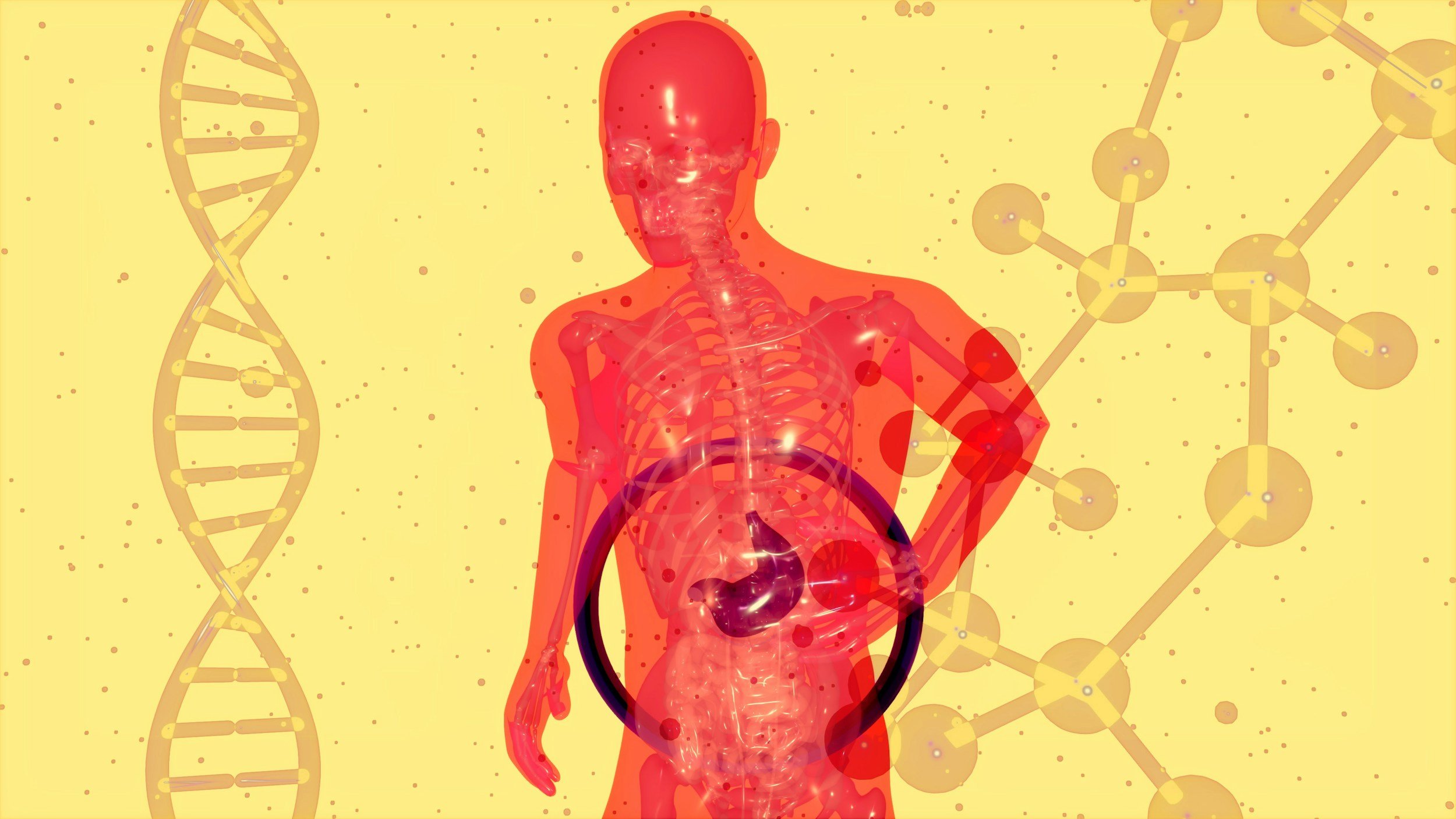
The Gut-Parkinson's Connection: Why Researchers Are Paying Attention to the Microbiome
For many years, Parkinson’s disease has been viewed primarily as a neurological condition that begins in the brain. Today, a growing body of research is encouraging scientists to take a closer look at another important system: the gut.
Recent studies suggest that changes in the gut microbiome, the community of bacteria and other microorganisms that live in our digestive system, may occur years before the classic motor symptoms of Parkinson’s appear. Researchers have identified distinct microbiome patterns in people living with Parkinson’s and even in some individuals who carry genetic risk factors but have not yet developed symptoms.
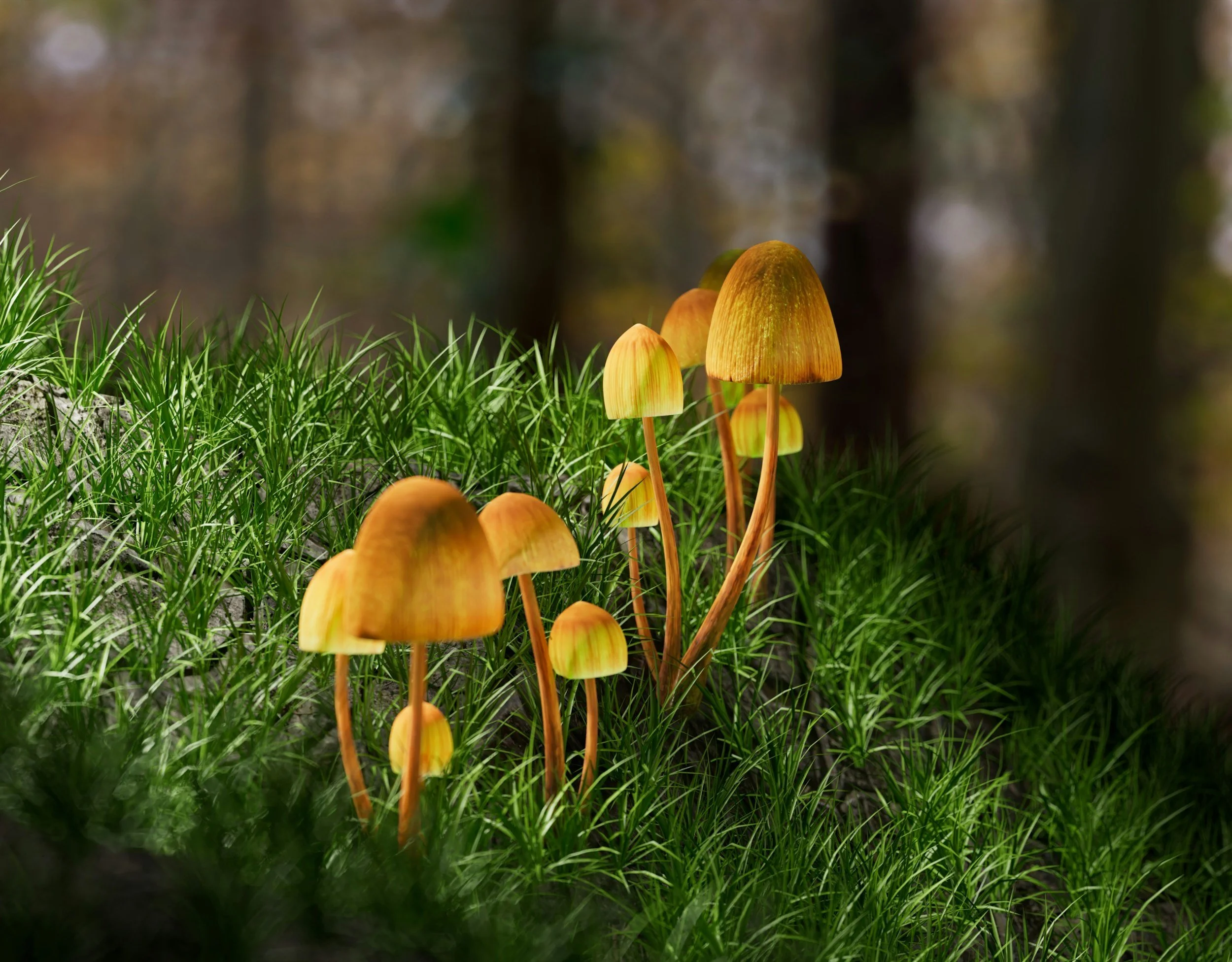
Psilocybin and Parkinson's Disease: Why Researchers Are Taking a Closer Look
Interest in psilocybin as a potential therapeutic tool has grown significantly over the past decade. Once largely absent from mainstream medical discussions, psilocybin is now being studied by leading research institutions for its potential effects on depression, anxiety, addiction, post-traumatic stress disorder, and a growing number of neurological conditions.
While research remains in its early stages, a combination of patient experiences, emerging clinical studies, and advances in neuroscience has led researchers to explore whether psilocybin may offer meaningful benefits for people living with Parkinson's disease.
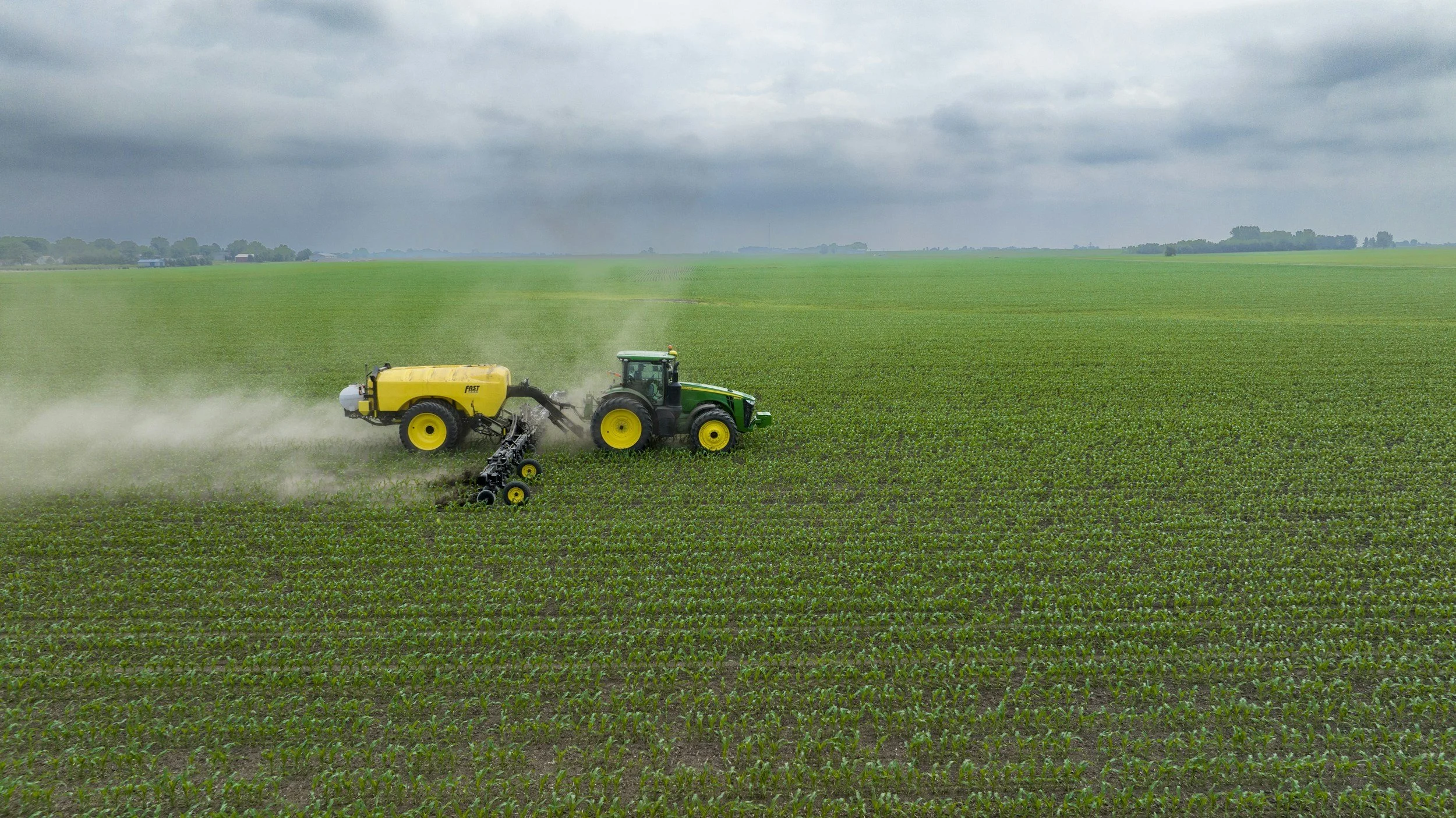
Parkinson's, Pesticides, and Prevention: What Recent Policy Changes Mean
For decades, Parkinson's was largely viewed through the lens of genetics and aging. While both remain important factors, researchers now recognize that environmental influences may play a substantial role in determining who develops the disease and how it progresses.
As a result, conversations about Parkinson's are expanding beyond symptom management and treatment to include prevention, public health policy, occupational safety, and environmental risk factors.

Cannabis & Parkinson’s: A Nurse’s Perspective on Healing, Access, and What Texas Gets Wrong
When my husband Joe was diagnosed with Young-Onset Parkinson’s at age 40, we were handed a script for prescriptions and a bleak roadmap. But no one, not one provider, talked to us about inflammation, lifestyle, or cannabis.
So we built our own path. And it changed everything.
Today, Joe is managing his symptoms naturally, through a personalized, integrative approach rooted in nutrition, movement, spiritual alignment, plant medicine like cannabis, and psychedelic therapies. He hasn’t taken a single Parkinson’s medication. And he’s thriving.
Let me be clear: Cannabis did not cure him.
But it’s played a powerful role in his ability to live, move, and show up fully for our family.

Do I Have to Start Medication Right Away? A Different Approach to Early Parkinson’s Care
Everything changes in an instant. A diagnosis, especially Young-Onset Parkinson’s Disease (YOPD), can trigger fear, confusion, and a flood of questions. One of the first is often:
“Do I need to start medication right away?”

Early Signs of Parkinson’s Disease Everyone Should Know
When most people think of Parkinson’s disease, they picture older adults with a tremor. But in many cases, especially with Young-Onset Parkinson’s Disease (YOPD), the earliest signs show up years before diagnosis and can affect people in their 30s, 40s, or even younger.

Breaking Down the Stigma: Psychedelics and the Future of Healing
Science is finally catching up to what many indigenous cultures have known for centuries: plant medicines, when used with intention and care, have the potential to profoundly transform lives. But why is there still so much stigma, and what does the research actually reveal?

Why Plant Medicine?
In addition to exercise, which is vital in managing Parkinson’s, plant-based medicine provides a powerful, natural approach, without the harmful side effects of pharmaceuticals.

Rethinking Parkinson’s: A Holistic Approach
Traditional pharmaceuticals are often the first and only option presented to those diagnosed with Parkinson’s, yet they come with serious side effects, long-term complications, and fail to address the root cause of disease. We believe people deserve more choices in their healing journey.

Support the Cause
Your donation makes a (huge) impact.
By donating to our cause, you play a crucial role in driving forward our mission to revolutionize Parkinson's care.