
The Gut-Parkinson's Connection: Why Researchers Are Paying Attention to the Microbiome
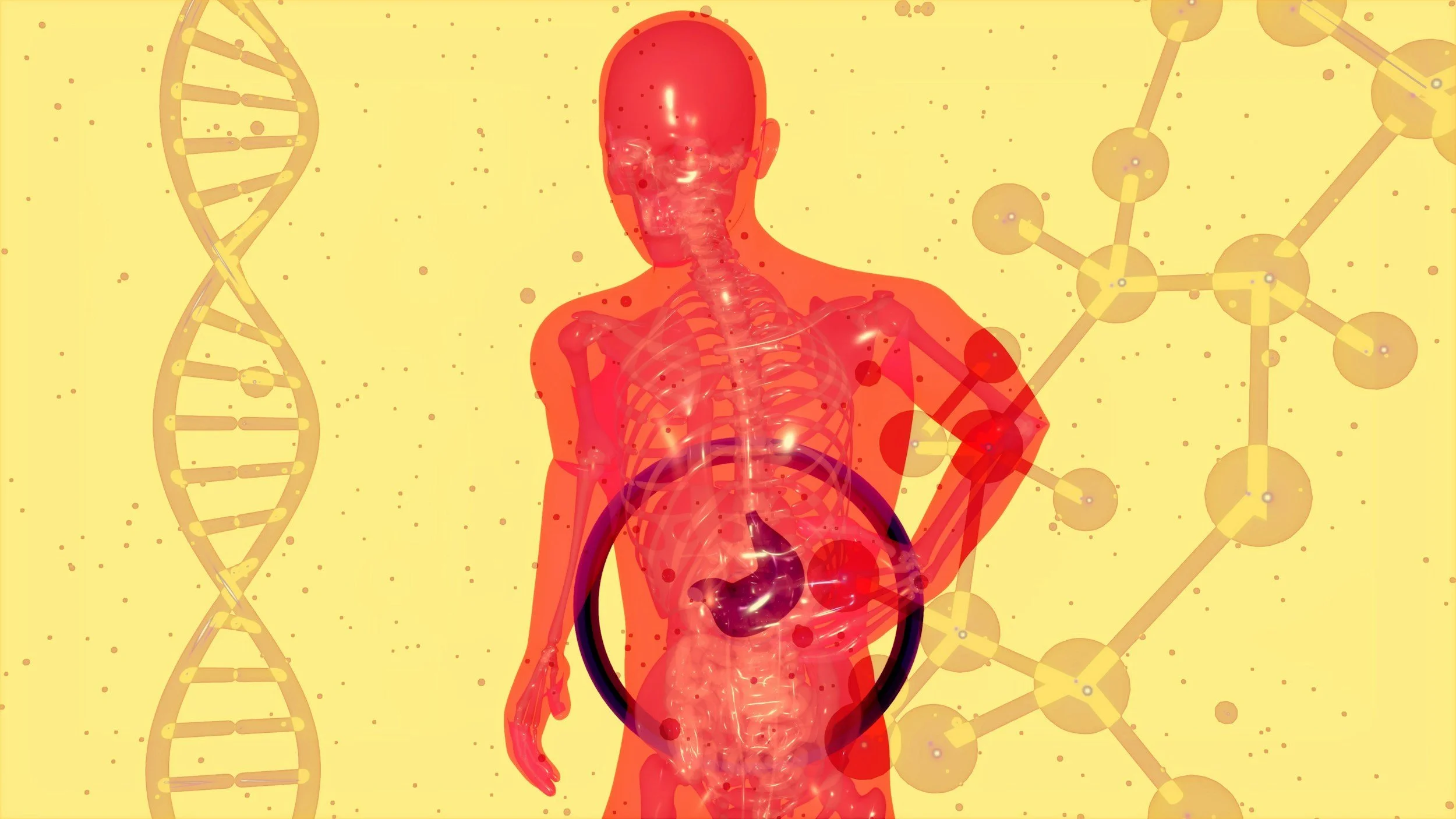
What if Parkinson’s doesn’t start in the brain?
As Parkinson’s research continues to evolve, scientists are exploring new questions that may reshape how we understand this disease including the possibility that Parkinson’s may involve more than just the brain.
For many years, Parkinson’s disease has been viewed primarily as a neurological condition that begins in the brain. Today, a growing body of research is encouraging scientists to take a closer look at another important system: the gut.
Recent studies suggest that changes in the gut microbiome, the community of bacteria and other microorganisms that live in our digestive system, may occur years before the classic motor symptoms of Parkinson’s appear. Researchers have identified distinct microbiome patterns in people living with Parkinson’s and even in some individuals who carry genetic risk factors but have not yet developed symptoms.
One notable study published in Nature Communications found that specific gut microbiome signatures could help identify individuals at increased risk for Parkinson’s disease, adding to growing interest in the connection between gut health and brain health.¹
While researchers are still working to understand exactly how the gut and brain communicate, one leading theory focuses on the gut-brain axis, a complex network that links the digestive system and the nervous system. Scientists are investigating whether misfolded alpha-synuclein proteins, a hallmark of Parkinson’s disease, may originate in the gastrointestinal tract and travel to the brain over time.
Research led by Dr. Heiko Braak and others has suggested that Parkinson’s-related pathology may begin outside the brain before eventually affecting neurological function, although this remains an active area of scientific investigation.²
For people living with Parkinson’s, this emerging research raises an important question:
If the gut plays a role in Parkinson’s disease, could supporting gut health become an important part of a comprehensive wellness approach?
While no diet has been proven to prevent, cure, or reverse Parkinson’s disease, several dietary patterns have consistently been associated with better overall health and may support a healthier microbiome:
Mediterranean-style eating
High-fiber whole foods
Increased vegetable consumption
Reduced intake of ultra-processed foods
Fermented foods and a diverse variety of plant-based foods
Research suggests that diets rich in fiber and plant diversity may help support beneficial gut bacteria, reduce inflammation, and promote metabolic health, areas that researchers continue to explore in relation to Parkinson’s disease.³
What Researchers Still Don't Know
While interest in the gut-brain connection continues to grow, many important questions remain unanswered. Researchers do not yet know whether microbiome changes contribute to Parkinson’s disease, result from Parkinson’s disease, or both.
Scientists are also working to determine whether targeted dietary interventions can meaningfully influence symptoms, disease progression, or long-term outcomes. Although early findings are encouraging, larger studies will be needed before firm conclusions can be drawn about the role of the microbiome in Parkinson’s disease.
As research continues to evolve, the gut-brain connection remains one of the most promising and actively studied areas in Parkinson’s science.
Looking Ahead
While nutrition and lifestyle approaches are not substitutes for medical care, they may play a meaningful role in supporting overall quality of life.
The science surrounding the gut microbiome is still developing, but one thing is becoming increasingly clear: the conversation about Parkinson’s is expanding beyond dopamine and symptom management alone.
As researchers continue to investigate the gut-brain connection, people living with Parkinson’s have an opportunity to stay informed, ask questions, and explore evidence-based lifestyle practices that support their health and well-being.
The future of Parkinson’s care may involve looking beyond the brain itself—and embracing a more comprehensive understanding of the whole person.
The TPPF Perspective
At The Parkinson's Project Foundation, we believe Parkinson's conversations should include more than symptom management alone.
The growing interest in the gut-brain connection reflects a broader shift toward understanding how nutrition, lifestyle, metabolic health, environmental factors, and overall wellness may influence health outcomes.
While many questions remain unanswered, we believe individuals deserve access to emerging research and the opportunity to make informed decisions about their health. We also believe patient experiences can help identify important questions that deserve further scientific exploration.
Our goal is not to promote any single approach. Our goal is to encourage education, informed choice, and meaningful conversations that help individuals navigate their Parkinson's journey with greater confidence.
References
Wallen, Z.D., et al. "Meta-analysis of the Parkinson's disease gut microbiome suggests alterations linked to disease risk and progression." Nature Communications and related microbiome studies examining Parkinson's-associated bacterial signatures.
Braak, H., Del Tredici, K., Rüb, U., de Vos, R.A.I., Jansen Steur, E.N.H., & Braak, E. (2003). "Staging of brain pathology related to sporadic Parkinson's disease." Neurobiology of Aging, 24(2), 197–211.
Mediterranean Diet Adherence and Parkinson's Disease studies, including research published in Movement Disorders and Neurology examining dietary patterns, gut health, and neurodegenerative disease risk.
Note: Research on the gut microbiome and Parkinson’s disease is ongoing. Current findings are promising but do not establish that microbiome changes cause Parkinson’s disease or that dietary interventions can prevent or reverse the condition. Individuals should consult their healthcare providers before making significant dietary or treatment changes.
