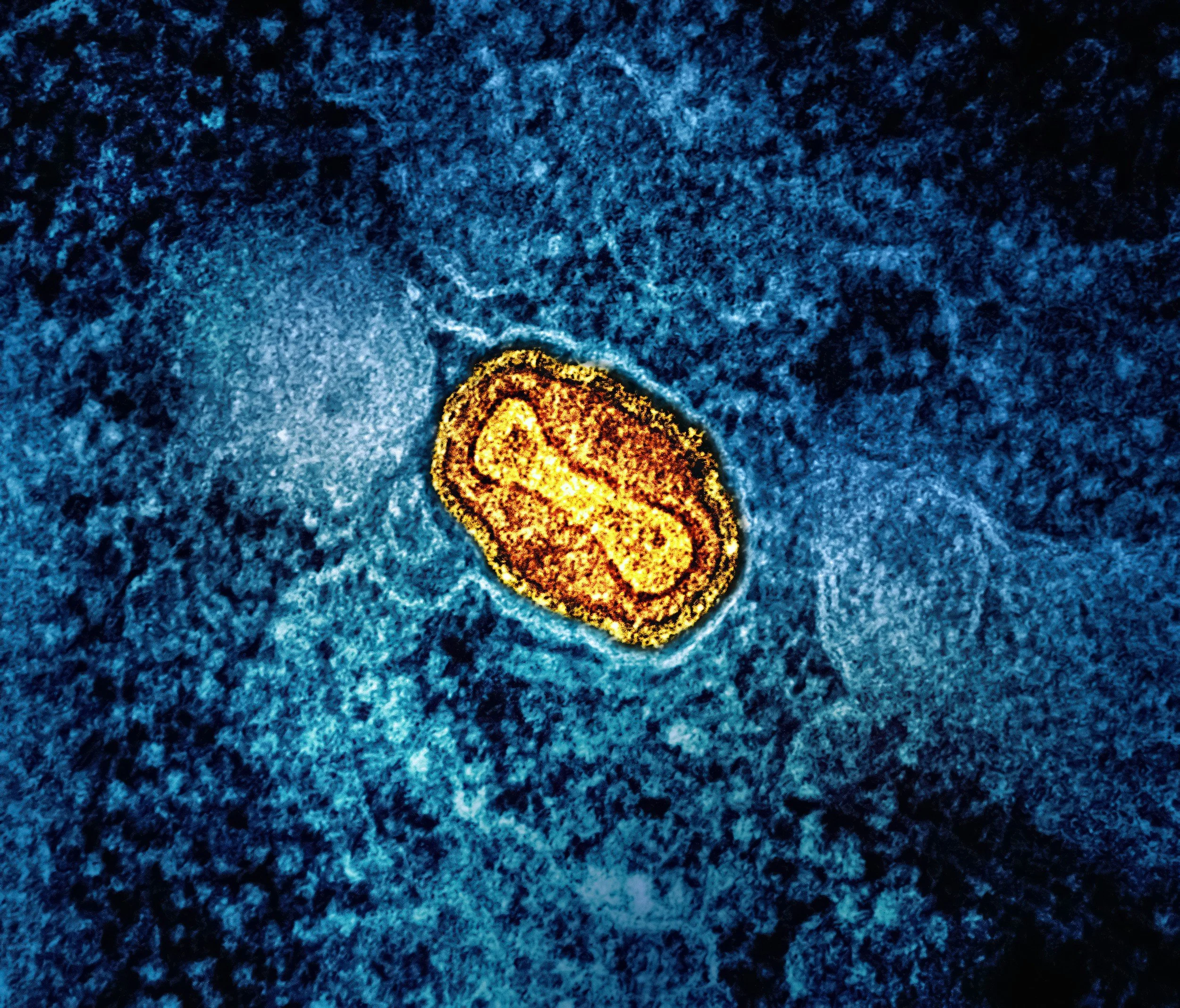
An October 2026 study reveals encouraging changes in inflammation and cellular stress markers, raising new questions about psilocybin's potential beyond symptom management.
For the first time, researchers have reported measurable changes in inflammatory and mitochondrial stress markers following psilocybin-assisted therapy in people living with Parkinson's disease. The findings, published October 21, 2026, in JAMA Psychiatry, introduce an intriguing possibility: psilocybin's potential relevance to Parkinson's may extend beyond its effects on depression, anxiety, and other symptoms.
Researchers observed reductions in several inflammatory markers, an increase in an anti-inflammatory signaling protein, and decreases in a marker associated with cellular and mitochondrial stress. These are particularly interesting findings because inflammation and mitochondrial dysfunction have long been implicated in Parkinson's disease.
The research builds on an earlier clinical investigation that reported improvements in mood, motor symptoms, and certain cognitive measures following psilocybin-assisted therapy. For people living with Parkinson's, this opens an important new area of scientific investigation: whether psilocybin may influence biological processes associated with the disease itself.
Why Inflammation and Mitochondrial Health Matter
Parkinson's disease is commonly associated with tremor, rigidity, slowed movement, and balance difficulties. But the condition involves much more than movement. Depression, anxiety, fatigue, sleep disturbances, and cognitive changes can significantly affect quality of life, sometimes appearing years before diagnosis.
While available treatments can help manage symptoms, researchers continue searching for approaches that might influence the underlying biology of Parkinson's. Two areas of particular interest are inflammation and mitochondrial dysfunction.
The Role of Inflammation
Inflammation is a natural part of the body's immune response. It helps protect against injury and infection, but persistent or poorly regulated inflammation can contribute to tissue damage. Researchers have identified altered inflammatory activity in people with Parkinson's, including changes involving immune cells within the brain.
These findings have raised questions about how inflammatory processes may contribute to neuronal damage and disease progression. Understanding whether emerging therapies can influence these pathways is an important area of neurological research.
The Importance of Mitochondrial Health
Mitochondria produce much of the energy cells need to function. They are especially important in energy-demanding tissues such as the brain, where healthy cellular function depends on a consistent energy supply. Mitochondrial dysfunction has been implicated in Parkinson's disease for decades. When these cellular systems become impaired, cells may experience increased stress and become more vulnerable to damage. Because inflammation and mitochondrial dysfunction are both associated with Parkinson's, research exploring ways to influence these processes is particularly relevant.
What the October 2026 Study Found
The new publication builds on a clinical investigation conducted by researchers at the University of California, San Francisco (UCSF), and collaborating institutions. The original study enrolled 12 people with Parkinson's disease who also experienced depression or anxiety. Participants received two supervised doses of synthetic psilocybin: an initial 10-milligram dose followed approximately two weeks later by a 25-milligram dose. Treatment occurred in a controlled clinical setting with psychotherapy, psychological support, and medical monitoring.
For the October 2026 analysis, researchers examined blood samples collected from nine of those participants before and after treatment. Their goal was to investigate whether psilocybin-assisted therapy was associated with changes in markers of systemic inflammation and mitochondrial stress.
Inflammatory Markers Decreased
Researchers measured a combined index of five inflammatory markers: interleukin-6 (IL-6), interleukin-8 (IL-8), tumor necrosis factor-alpha (TNF-alpha), C-reactive protein (CRP), and interferon-gamma (IFN-gamma). The combined inflammatory index decreased significantly following psilocybin administration.
Importantly, the reduction remained statistically significant at the 30-day follow-up after the second dosing session. Several individual markers, including IL-6, IL-8, and CRP, also decreased significantly one day after the initial 10-milligram dose. Researchers additionally observed a significant increase in interleukin-10 (IL-10), an anti-inflammatory signaling protein, following the first dose. Together, these observations suggest that psilocybin-assisted therapy may influence systemic inflammatory signaling.
A Marker of Mitochondrial Stress Decreased
Researchers also examined growth differentiation factor 15 (GDF-15), a protein associated with cellular and mitochondrial stress. GDF-15 levels decreased significantly one day after both psilocybin dosing sessions. Although the reduction was no longer statistically significant at the 30-day follow-up, the short-term changes provide another biological signal worth investigating.
Mitochondrial dysfunction has long been associated with Parkinson's disease, making this finding particularly relevant. Researchers also measured fibroblast growth factor 21 (FGF-21), but its changes were not statistically significant. GDF-15 is not a direct measurement of mitochondrial function, but changes in this marker may help researchers explore how psilocybin administration relates to cellular stress responses.
The Findings Extend Earlier Laboratory Research
Previous preclinical studies have suggested that serotonergic psychedelics may influence inflammatory responses and biological pathways associated with cellular stress. Much of that work has involved laboratory or animal models rather than people living with neurodegenerative diseases. According to the study authors, this is the first reported investigation identifying changes in inflammatory or mitochondrial stress markers following psychedelic administration in humans with a neurodegenerative condition. It brings questions previously explored largely in laboratory settings into a human Parkinson's population and creates a foundation for more extensive clinical investigation.
Building on Earlier Clinical Findings
In 2025, the UCSF research team published the initial results of its psilocybin-assisted therapy pilot in Neuropsychopharmacology. The study explored safety, feasibility, and potential clinical effects in people experiencing Parkinson's-related depression or anxiety. Researchers reported improvements in depression and anxiety, along with encouraging changes in some measures of motor function and cognition. No serious adverse events occurred among the 12 participants, although temporary anxiety, nausea, and increased blood pressure were reported.
These findings attracted attention because Parkinson's affects both motor and nonmotor functioning, and approaches that may influence multiple aspects of quality of life deserve investigation. The October 2026 analysis adds another dimension by examining biological changes alongside the earlier clinical observations. Together, the findings give researchers new questions to explore about psilocybin's potential role in neurological health.
Synthetic Psilocybin and Naturally Occurring Mushrooms: An Important Distinction
The UCSF study used pharmaceutical-grade synthetic psilocybin administered in standardized doses. Naturally occurring psilocybin mushrooms contain the same active compound, but they also contain other substances, including psilocin and additional tryptamines. Once psilocybin enters the body, it is converted into psilocin, which produces many of its known effects through interactions with serotonin receptors.
Although the psilocybin molecule can be chemically identical regardless of its source, whole mushrooms contain a more complex mixture of naturally occurring compounds. Whether these additional compounds influence the overall biological or therapeutic effects of whole-mushroom preparations remains an important unanswered research question.
Much of the current clinical research focuses on purified synthetic psilocybin because it allows investigators to administer precisely measured doses under standardized conditions. However, research involving purified psilocybin does not establish whether whole-mushroom preparations would produce identical, different, or potentially broader effects.
At The Parkinson's Project Foundation, we believe these distinctions deserve greater scientific attention. Future studies should consider direct comparisons of purified psilocybin and naturally occurring mushroom preparations, along with different dosing approaches and treatment schedules. This includes investigating whether compounds present in whole mushrooms influence biological responses and whether repeated low-dose administration produces different outcomes from the larger supervised doses used in current clinical trials. The UCSF findings provide valuable information about psilocybin itself while opening questions that future research into natural formulations may help answer.
What Researchers Still Need to Understand
The October 2026 findings are encouraging, but several important questions remain. The biomarker analysis involved only nine participants and did not include a randomized placebo control group. This limits researchers' ability to determine how much of the observed response was directly attributable to psilocybin rather than other factors associated with treatment.
The study also measured markers in blood rather than directly examining inflammation or mitochondrial function within the brain. Although the observed changes are scientifically interesting, they do not establish that psilocybin reduced neuroinflammation, protected neurons, or slowed Parkinson's progression.
Researchers must also determine how long the biological responses last, whether they can be reproduced in larger populations, and whether they correspond with meaningful improvements in neurological function or long-term health outcomes. The study did not investigate whole-mushroom preparations or repeated low-dose administration. These questions provide important directions for future research rather than reasons to dismiss the early findings.
Why This Matters for Patients
For people living with Parkinson's, emerging research is particularly meaningful when it explores possibilities beyond managing individual symptoms. Parkinson's affects people differently, and many continue to experience physical, emotional, and cognitive challenges despite available treatments.
The latest psilocybin findings broaden the scientific conversation by raising questions about potential effects on biological pathways associated with the disease. Researchers are beginning to investigate whether psychedelic compounds may influence inflammatory signaling, cellular stress, and other processes relevant to neurological health. This represents an important expansion of research that has previously focused primarily on depression, anxiety, and psychological well-being.
For patients interested in these developments, access to accurate information and responsible clinical research is essential. The supervised protocol used in the UCSF study differs substantially from unsupervised use. Psilocybin can produce significant psychological and physiological effects, and careful screening and monitoring remain important, particularly for people with certain medical or psychiatric conditions. Understanding the research allows patients and caregivers to participate more meaningfully in conversations about emerging approaches and future treatment possibilities.
The TPPF Perspective
At The Parkinson's Project Foundation, we believe the growing body of research into psilocybin represents an important opportunity to expand the conversation about what may be possible in Parkinson's care. For decades, much of the focus has been on managing symptoms. That work remains important, but it cannot be the limit of our curiosity. People living with Parkinson's deserve research that asks bigger questions about the biological processes involved in the disease and whether emerging approaches might influence them.
The October 2026 findings are encouraging because researchers observed measurable changes in markers associated with inflammation and mitochondrial stress, two areas that have long been implicated in Parkinson's. These findings deserve serious attention. We're particularly interested in understanding naturally occurring compounds and the potential role of whole-mushroom preparations. While much of the current clinical research uses synthetic psilocybin, we believe future studies should also investigate natural formulations, different dosing approaches, and the possible contributions of other compounds found in mushrooms.
We also believe patients should have a meaningful voice in shaping this research. Their experiences, priorities, and unanswered questions can help guide investigations toward outcomes that matter in everyday life. Legal, financial, and institutional barriers have historically complicated research into psychedelic compounds. Expanding responsible scientific investigation and improving access to credible information are important parts of overcoming those barriers. Our mission is to encourage informed choice, reduce stigma, and advocate for research that considers the full complexity of Parkinson's disease.
We don't yet know where these findings will lead. But when researchers identify new biological responses in people living with Parkinson's, those discoveries deserve to be followed. The goal should not be limited to finding better ways to live with Parkinson's. We should also be willing to investigate every credible possibility for changing what living with Parkinson's might look like in the future.
References
1. Primary Research, October 2026
Bradley ER, Kelley P, Szigeti B, et al. "Psilocybin and Inflammatory and Mitochondrial Stress Markers in Parkinson Disease: A Nonrandomized Clinical Trial." JAMA Psychiatry. Published October 21, 2026.
https://doi.org/10.1001/jamapsychiatry.2026.2733
Full article: https://jamanetwork.com/journals/jamapsychiatry/fullarticle/2855669
2. Earlier Clinical Research, 2025
Bradley ER, Sakai K, Fernandes-Osterhold G, et al. "Psilocybin therapy for mood dysfunction in Parkinson's disease: an open-label pilot trial." Neuropsychopharmacology. 2025;50:1200–1209.
https://doi.org/10.1038/s41386-025-02097-0
3. Ongoing Clinical Research
ClinicalTrials.gov. "Psilocybin Therapy for Depression in Parkinson's Disease." Phase 2 clinical trial, NCT06455293.
https://clinicaltrials.gov/study/NCT06455293
UCSF Clinical Trials: https://clinicaltrials.ucsf.edu/trial/NCT06455293
Medical and Research Disclaimer: This article is intended for educational purposes only and does not constitute medical advice. Psilocybin has not been approved by the U.S. Food and Drug Administration to treat Parkinson's disease. Its safety and effectiveness for Parkinson's remain under investigation. Psilocybin is subject to federal and state legal restrictions, with limited exceptions. Individuals should consult qualified healthcare professionals before making treatment decisions or considering participation in clinical research.